By Adrian Stone, BHSc (Nutritional Medicine), BHSc (Naturopathy), Living Holistic Health — andrographis has just been removed from Australia’s list of low-risk medicine ingredients. Here is what its history, the clinical trials and the global safety data actually say.
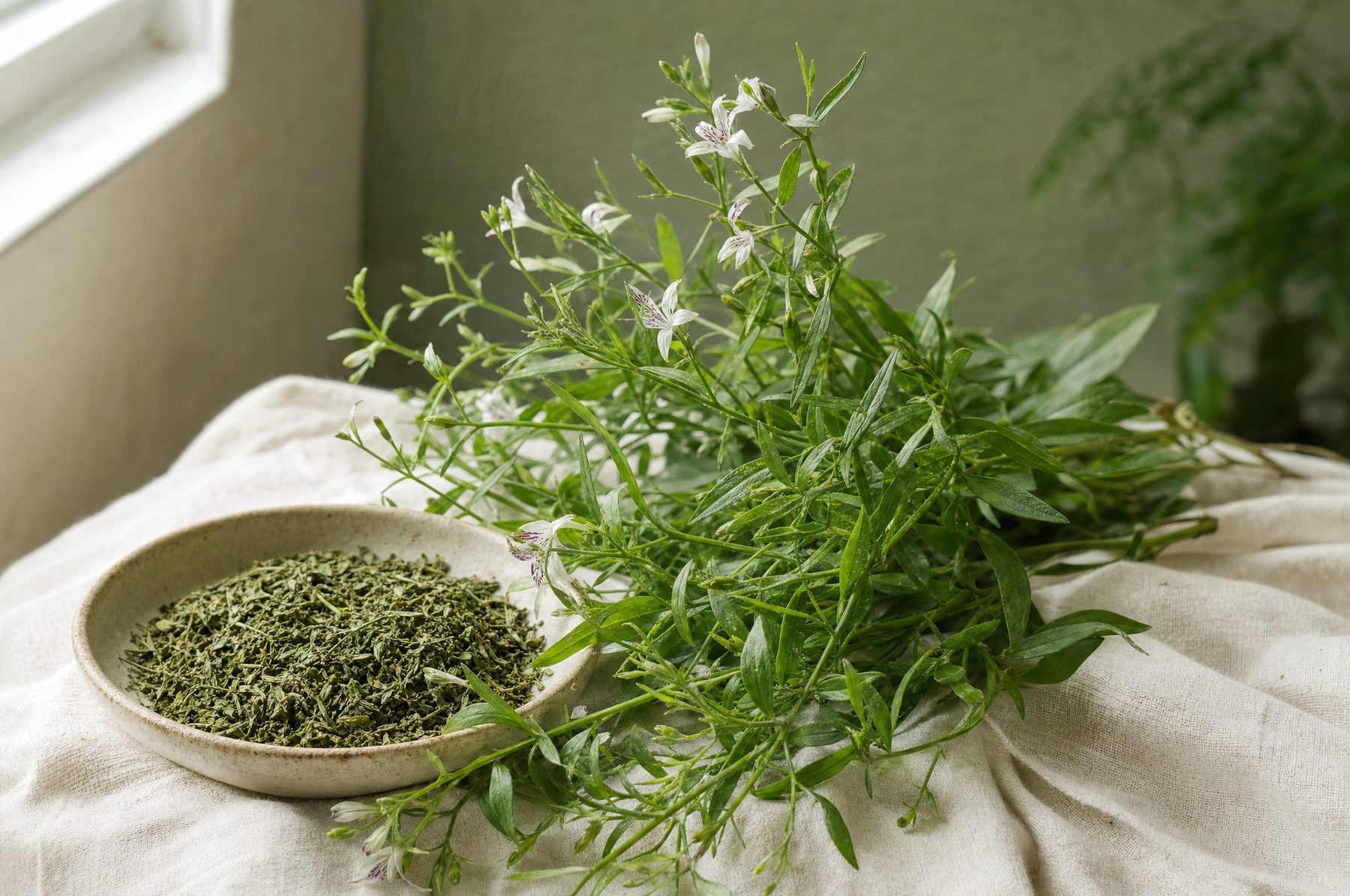
If you have bought a cold and flu tablet in the past decade, there is a fair chance it contained andrographis. This month, that changed. On 17 September 2026, the Therapeutic Goods Administration (TGA) removed Andrographis paniculata from the list of ingredients allowed in low-risk listed medicines. Specifically, the reason is severe allergic reactions, including anaphylaxis. Consequently, many familiar “immune” products may soon disappear from pharmacy shelves.
I want to do something slightly unfashionable with this post. Rather than cheer the decision or condemn it, I want to lay out the whole picture. That means where the herb comes from, what the trials found, and how its safety looks outside Australia. Andrographis is not a villain. However, it is also not the harmless “natural” option it is often sold as. Both things are true, and the details matter.
Why andrographis is suddenly in the news
In fact, the TGA has watched this herb for more than a decade. Its first safety review, in 2015, confirmed that andrographis can cause serious allergic reactions. From 2019, products had to carry a warning label. In 2024, the regulator issued a further alert, and one sponsor added a larger, more prominent warning.
Even so, none of it moved the numbers. By 31 December 2025, the TGA had received 287 reports of anaphylaxis linked to andrographis-containing medicines. In addition, one of those, reported in 2024, was fatal. Notably, about three-quarters of the reports arrived after warning labels were introduced. The regulator therefore concluded the risk could not be managed within the self-selected, low-risk medicines system.
In the meantime, existing products can technically still be supplied. Still, the TGA is strongly recommending that companies cancel or recall them, with compulsory action possible from mid-October. Importantly, andrographis is not banned outright. It can still appear in registered medicines, which the TGA assesses individually for safety, quality and efficacy.
Andrographis: the “King of Bitters” and its long history
To begin with, Andrographis paniculata is a leafy annual plant in the acanthus family. It is native to India and Sri Lanka and is grown widely across South-East Asia. In Ayurvedic medicine it is called Kalmegh. Indeed, its taste is so intensely bitter that it earned the title “King of Bitters”. That name is not just a curiosity. As we will see, the bitterness is central to how naturopaths have used the herb.
In traditional Chinese medicine, the same plant is Chuān Xīn Lián. There, it is classed as a cold, bitter herb used to “clear heat and toxins” in fever, sore throat and cough. In Ayurveda and Indian folk medicine, it has long been used for sluggish digestion and liver complaints, including jaundice. Thailand, meanwhile, lists it as an essential medicine. In other words, this is not a fringe herb invented by a supplement marketer. Overall, it has a long history across several medical traditions.
By contrast, Western herbal practice adopted it much later. Much of the early research used a fixed combination with Siberian ginseng (Eleutherococcus senticosus), developed in Sweden and sold as a standardised combination product. In Australia, meanwhile, most people met andrographis in high-dose formulas paired with echinacea. As we will see, that detail becomes important in the safety story.
Why the King of Bitters matters in naturopathy: gut and liver
Long before andrographis became a cold and flu product, naturopaths valued it as a bitter tonic. In traditional herbal thinking, bitter herbs “wake up” digestion. Moreover, their taste is thought to prime the stomach, pancreas and gallbladder for food, and to support the liver’s role in processing it. Andrographis, as the King of Bitters, sits at the top of that group.
Bitterness as a signal, not just a flavour
Modern research gives this old idea some real mechanism. For example, humans have around 25 bitter taste receptors, known as TAS2Rs. Notably, a 2009 laboratory study found that andrographolide directly activates one of them, hTAS2R50. Importantly, these receptors are not confined to the tongue. They also sit in the gut lining, where they help regulate digestive signalling.
There is more. In a 2023 cell and rat study, andrographolide activated TGR5, a receptor that normally responds to bile acids. That in turn boosted GLP-1, a gut hormone involved in blood sugar control. Admittedly, this is early, animal-level work. Still, it connects the herb’s bitterness to the gut–liver–metabolic axis in a way traditional practitioners would recognise.
I often tell patients that the gut is not like Las Vegas. What happens in the gut does not stay in the gut. Blood leaving the intestines travels straight to the liver first, so gut inflammation and liver load are closely linked. That is exactly the territory where a bitter, anti-inflammatory herb like andrographis has traditionally been used.
The liver: a strong reputation, but a two-sided evidence base
A 2014 review described andrographis as the most widely used herb for liver protection in Ayurveda and traditional Chinese medicine. In laboratory and animal studies, its compounds reduce liver inflammation and oxidative stress. For instance, a 2026 mouse study found an andrographis compound reduced fat build-up, inflammation and scarring in a model of fatty liver disease. Oxidative stress, notably, is another of the four root drivers I look for in clinic.
The human evidence for liver protection, however, is thin and dated. The best-known study, from 1983, reported improved liver tests in people with infective hepatitis taking a Kalmegh decoction, but it predates modern trial standards. Moreover, the modern human data points the other way. A 2022 Thai study of 810 patients with digestive conditions found andrographis users were more likely to show a rise in the liver enzyme ALT. Specifically, 44.5 per cent of users had an increase, compared with 32.2 per cent of non-users. Similarly, a 2023 high-dose safety study found mild liver enzyme rises in about three in ten healthy volunteers, which settled within two to three weeks of stopping. In addition, a 2025 analysis of the WHO safety database listed andrographis among the traditional medicines most often suspected in serious reactions reported from Asia. In Australia, one woman’s doctors linked her autoimmune hepatitis to an andrographis product.
So the honest summary is this. Certainly, andrographis has a centuries-old reputation as a liver herb, and promising laboratory science behind it. Yet in real people, it can also stress the liver in some cases. That is precisely why liver-focused use belongs under practitioner supervision, ideally with baseline and follow-up blood tests.
How andrographis is thought to work
The main active compounds in andrographis are diterpene lactones. In particular, the best known is andrographolide. In laboratory work, andrographis extracts inhibit NF-κB, a master switch for inflammatory signalling. They also dampen the inflammatory messengers TNF-α and IL-1β.
Naturally, that caught my attention. Chronic inflammation is one of the four root drivers I see behind almost every case in clinic. A herb that quiets NF-κB is therefore interesting well beyond colds. Indeed, that is why researchers have tested it in ulcerative colitis, rheumatoid arthritis and multiple sclerosis.
Ironically, the same compounds may sit at the heart of the allergy problem. For instance, in a mouse study, andrographis diterpene lactones showed a capacity to sensitise the immune system. In contrast, an industry-funded study found no anaphylactic potential for a whole extract in guinea pigs. Even so, purified andrographolide did trigger some release of allergic mediators in cell studies. Put simply, nobody has yet pinned down exactly why some people react. Crucially, that uncertainty is part of what makes the risk so hard to predict.
What the andrographis clinical trials show
Andrographis has one of the larger clinical trial bases of any herb sold in Western markets. Admittedly, “many trials” is not the same as “strong evidence”. Here is how the research breaks down, condition by condition.
Colds, sore throats and upper respiratory infections
This is where the evidence is deepest. First, a 2004 review by Coon and Ernst pooled seven double-blind trials involving 896 people. Notably, Edzard Ernst is one of complementary medicine’s toughest critics. Even so, the review found andrographis was superior to placebo for relieving cold symptoms, with early hints of a preventive effect.
Second, the largest review to date, published in 2017, took in 33 randomised trials and 7,175 patients. Andrographis improved cough and sore throat compared with placebo. It also shortened cough, sore throat and time off work compared with usual care. However, the authors rated overall trial quality as poor. Most trials also gave few details on manufacturing or quality control.
Even so, newer trials add nuance. For instance, a 2021 trial of the andrographis–Siberian ginseng combination in 179 people cut sick days by about 21 per cent. In contrast, a 2023 trial of 300 people in Mumbai found benefit on day three, but no difference by days five and seven. Similarly, a 2023 throat-spray trial showed faster relief than chamomile spray, though in only 60 people.
Overall, the honest reading is a modest effect. In practice, you might feel better a little sooner, perhaps by a day. That matters, but it is relief from an illness that usually resolves by itself.
COVID-19: a genuinely mixed picture
Andrographis was widely used in Thailand during the pandemic, and several trials followed. Meanwhile, two Thai trials were essentially negative. In one, 165 people with mild COVID-19 took andrographis extract or placebo for five days. Disease progression did not differ, although loss of smell resolved faster with the herb. In another, adding andrographis to an antiviral drug brought no extra clinical benefit in 146 patients.
In contrast, a 2023 trial in Georgia tested the same andrographis–Siberian ginseng combination in 140 people. Only 5.4 per cent progressed to severe disease, compared with 17.9 per cent on placebo. Then, in 2026, a large network meta-analysis co-authored by World Health Organization researchers weighed in. It found moderate-certainty evidence that andrographis probably reduced hospital admissions in patients at moderate risk. Specifically, the estimate was about 15 fewer admissions per 1,000 patients. The authors, rightly, called for replication.
Ulcerative colitis
Some of the most rigorous andrographis research sits here. In a 2011 Chinese trial, 120 patients with mild-to-moderate ulcerative colitis took either a standardised extract (HMPL-004) or mesalazine, a standard anti-inflammatory medicine. Notably, response rates were similar in both groups.
A larger 2013 trial in the American Journal of Gastroenterology then compared two doses with placebo in 224 adults. At 1,800 mg daily, 60 per cent responded, compared with 40 per cent on placebo. However, the lower dose did not clearly beat placebo, and the difference in full remission was not statistically significant. Equally, side effects were no more common than with placebo.
Two caveats matter here. First, these trials used one specific pharmaceutical-grade extract. That is not interchangeable with a supermarket cold tablet. Second, ulcerative colitis always needs medical supervision. Ultimately, a single positive trial is a signal, not a settled answer.
Rheumatoid arthritis and multiple sclerosis fatigue
Equally, the autoimmune research is small but interesting. In a 2009 Chilean trial, 60 people with active rheumatoid arthritis took andrographis or placebo for 14 weeks. The main outcome, joint pain, did not differ significantly between groups. Still, the andrographis group showed within-group improvements in tender and swollen joints. Rheumatoid factor and some immune markers also fell.
Similarly, a 2016 pilot trial followed people with relapsing-remitting multiple sclerosis for 12 months. In addition, all were already on standard treatment. Those taking andrographis reported 44 per cent less fatigue than the placebo group. Relapse rates, however, did not change. With only 22 patients analysed, this needs a much larger follow-up. A 2020 trial in progressive multiple sclerosis was also exploratory. Its main brain-volume outcome narrowly missed significance, and itchy rash affected about half of those treated.
Early and weaker signals
You will see andrographis promoted for many other conditions. In particular, the diabetes, cancer and malaria claims deserve a closer look.
For instance, a 2018 Indonesian trial in 54 people with type 2 diabetes found better blood glucose results. However, the herb was combined with a second plant, so the effect cannot be pinned on andrographis alone. A 2023 cancer study in 30 people with advanced oesophageal cancer reported longer survival in those who finished treatment. Yet only 10 completed it, and people well enough to finish a course usually live longer anyway. Likewise, an Indonesian malaria study had no control group at all. These findings are interesting, but they are not a reason to take the herb.
Immune modulation: andrographis in endometriosis and adenomyosis research
You will often hear andrographis called an “immune booster”. In reality, that phrase is misleading. Rather, the research describes an immune modulator. It dampens some inflammatory pathways while shifting others, depending on context. For instance, a 2021 open-label study in 30 healthy adults found a standardised extract raised some immune messengers (IFN-γ and IL-4) while lowering another (IL-2). Nowhere is that more interesting than in endometriosis and adenomyosis.
Why endometriosis is an immune condition
Endometriosis occurs when tissue similar to the uterine lining grows outside the uterus. Adenomyosis is a related condition, where that tissue grows into the uterine muscle wall. Significantly, both involve chronic inflammation. In particular, NF-κB, the same inflammatory switch andrographis targets, appears to drive lesion growth, pain and nerve sensitisation. Immune cells called macrophages also behave abnormally, helping lesions survive rather than clearing them.
What the laboratory and animal research shows
In a 2012 study in Human Reproduction, researchers grew endometriosis tissue taken from 16 women. Andrographolide suppressed cell growth, NF-κB activity and the inflammatory enzyme COX-2. In rats with induced endometriosis, it also shrank lesions by about half and reduced pain sensitivity. Admittedly, the authors noted a limitation. Without a sham-surgery comparison, they could not prove the pain relief was specific to endometriosis.
Adenomyosis research follows a similar pattern. For instance, a 2013 study of tissue from 29 women found NF-κB activity tracked with the severity of their period pain. Andrographolide reduced the related inflammatory and blood-vessel growth signals. Similarly, a 2012 study linked adenomyosis pain to excess oxytocin receptors in uterine muscle, which andrographolide reduced in the lab. In mice, it also reduced uterine contractions and pain behaviour.
Pelvic inflammatory disease shows a similar picture. In a 2016 rat study, andrographis extract reduced infection-driven inflammation in the uterus and fallopian tubes by blocking NF-κB. Notably, andrographis is the main ingredient of a traditional Chinese formula used for this condition. Even so, the authors noted its clinical effect in people had not been established.
More recent animal work goes further. Two Indonesian mouse studies found andrographolide shifted macrophages towards a lesion-clearing profile. Meanwhile, Chinese researchers found it may help remove lesions after incomplete surgery in mice, and may trigger a form of cell death in endometriosis cells. A 2021 review in Human Reproduction Update listed andrographolide among the plant compounds with solid evidence in experimental endometriosis models.
The gap: no human trials yet
Here is the crucial caveat. I could not find a single published human clinical trial of andrographis for endometriosis or adenomyosis. In fact, the 2012 endometriosis researchers wrote that andrographolide was ready to be tested clinically, yet no trial has followed. The only randomised herbal trials in endometriosis tested Chinese herbal formulas, and none of those contained andrographis. All of the above comes from cells and animals, usually using purified andrographolide rather than the whole herb. Indeed, many promising compounds fail at exactly this step.
There are also specific safety concerns for this group. A 2021 review flagged reproductive toxicity among andrographolide’s easily overlooked risks, and the herb is generally avoided in pregnancy. That matters, because many people with endometriosis are trying to conceive. Therefore, andrographis is a genuinely interesting research lead, not a self-treatment for endometriosis. We don’t diagnose or treat endometriosis; that stays with your doctor. Our part is the nutritional, herbal and lifestyle work that sits alongside their care.

Andrographis safety: two kinds of evidence that seem to disagree
I am often asked whether naturopathy is evidence based. My answer is that it is — it just depends which version of “evidence” you are prepared to look at. Andrographis is a perfect example, because two legitimate types of evidence appear to tell different stories.
What the trials say about safety
According to the clinical trials, andrographis looks reassuring. A 2021 meta-analysis by Thai researchers found serious adverse events were very rare in trials. Specifically, they estimated 0.02 serious events per 1,000 patients. By contrast, non-serious side effects were common, at roughly one in ten people. These were mostly gut upsets and skin rashes. Even so, the trial record is not spotless. A 2000 US trial of high-dose andrographolide was stopped at six weeks after side effects, including one case of anaphylaxis.
Similarly, a 2022 review of 262 studies concluded that oral herbal preparations were essentially safe. The reactions it found were mainly mild to moderate gut and skin problems.
What real-world reporting says
Pharmacovigilance, the monitoring of medicines after they reach the public, tells a sharper story. In Australia, 287 anaphylaxis reports have been lodged since 2005. The TGA describes these reactions as rapid and unpredictable. Notably, they can occur on first use or after previous uneventful use. They also occur in people with no history of allergies, often within 30 minutes.
Thailand’s national database shows the same pattern. Between 2001 and 2012, it logged 106 hypersensitivity reports where andrographis was the only suspected cause. Thirteen were critical, including anaphylactic shock and angioedema. Most of these patients had no previous drug allergy.
Why both can be true
This apparent contradiction dissolves once you look at scale. Suppose, hypothetically, that anaphylaxis occurred in one of every 50,000 courses. To see even a handful of cases, a trial would need hundreds of thousands of participants. By comparison, the entire respiratory trial base covers about 7,000 people. Trials are simply the wrong tool for detecting rare events.
In contrast, spontaneous reports have the opposite weakness. We do not know how many people took the herb, so we cannot calculate a true rate. Reporting also rises with media attention. Indeed, the TGA linked a 2024 spike partly to public awareness.
Two further details deserve fair weighting. About 83 per cent of Australian anaphylaxis reports involved products combining andrographis with echinacea. Moreover, 66 per cent involved five products from a single company, sharing one formulation. That partly reflects how dominant those products were in the market. Even so, the TGA found only 10 anaphylaxis reports for echinacea products without andrographis. It therefore concluded echinacea is not the main cause.
Andrographis safety in a global context
Australia’s decision is significant, but it is not the whole story. Generally, regulators elsewhere have seen the same allergy signal and responded in different ways.
New Zealand
Medsafe issued an allergy alert in 2017. At that time, it noted that the WHO’s global safety database held 198 reports for andrographis. Of these, 147 involved hypersensitivity reactions. In December 2025, Medsafe reminded prescribers again, noting about three reports a year since 2023. Nevertheless, andrographis remains available there. Its advice is to stop the product at the first sign of a reaction and avoid it permanently afterwards.
Thailand and South-East Asia
Thailand lists andrographis as an essential medicine. At the same time, its national pharmacovigilance centre was among the first to characterise the anaphylaxis risk. The researchers recommended that hypersensitivity warnings be added to product labels. This is arguably the most balanced model: continued use, with active monitoring and clear warnings.
China and the injection question
In China, andrographolide derivatives are also given by injection in hospitals. That route carries a much higher risk. A 2022 review found adverse reactions in about four to five per cent of patients receiving these injections. There were 55 cases of life-threatening anaphylactic shock, and several deaths. Separately, an analysis of 26 Chinese case reports linked intravenous andrographolide to acute kidney injury, usually after a single dose. Fortunately, all of those patients recovered.
By comparison, oral herbal forms showed mainly mild reactions. The WHO monograph on the herb warns that crude extracts should not be injected. Consequently, when you read alarming overseas figures, it is worth checking whether they refer to injections or tablets.
Europe
Europe has taken a quieter, more cautious line. After reviewing the evidence, the European Medicines Agency’s herbal committee concluded that an EU herbal monograph could not be established. In practice, that means no official European standard for andrographis as a traditional herbal medicine. It is not a ban, but it is not an endorsement either.
Not demonising andrographis — and not dismissing the risk
Here is where I land. Andrographis is a well-researched herb with real, if modest, benefits for cold symptoms. It also has promising early signals in inflammatory conditions, a centuries-old role as a bitter for the gut and liver, and intriguing laboratory research in endometriosis. For the vast majority of people who have taken it, nothing bad happened beyond an occasional upset stomach. Calling it poison would be inaccurate.
However, the risk that does exist is serious, sudden and impossible to screen for. That changes the maths. For a cold that will pass on its own anyway, even a rare risk of anaphylaxis is hard to justify in an unsupervised, self-selected product. On that narrow question, I think the TGA’s reasoning is fair.
What bothers me is the oversimplification on both sides. Marketing sold andrographis as an “immune booster”, which the evidence never really supported. Equally, headlines now risk implying herbal medicine as a whole is dangerous. The research supports neither story. Rather, it supports precise claims, quality products, sensible doses and proper supervision. Above all, it supports reporting adverse reactions, because that system is exactly how this signal was found.
I should be plain about our own position. We have used andrographis-containing products in this clinic, we still do, and we have not had a patient react to one. I am careful about what that is worth, though. A clinic sees a few thousand people, not a few hundred thousand. If a reaction occurs somewhere in the order of once in tens of thousands of courses, our experience is exactly the size of sample that would never show it. That is the same limitation I have just described in the trials, and it applies to my own observation too.
If you have andrographis at home
The TGA is advising people to reconsider using products containing andrographis. If you decide to keep taking one, stop immediately at any sign of an allergic reaction. Warning signs include hives, facial swelling, a tight throat, wheezing, a hoarse voice or dizziness. If symptoms are severe, call 000.
If you have ever reacted to an andrographis product, avoid every product containing it. That means checking ingredient lists carefully, because many immune formulas contain several herbs. Finally, if you think you have had a reaction, report it to the TGA. Those reports are what protect the next person.
If you usually rely on these products each winter, talk to a qualified practitioner about other options. There are plenty, and most of them are not a herb at all. Through winter, most of what I am actually working on with someone is sleep, the state of their gut, whether they are eating enough protein and vegetables, and how much stress they are carrying. Where a herb does earn its place, andrographis is one option among many, and it is not the one I would reach for first in a product someone picks off a shelf without guidance. We do still use it in clinic, where there is a history to work from and someone paying attention. That is the difference this whole decision turns on.
Frequently Asked Questions
Is andrographis being banned in Australia?
Not entirely. From 17 September 2026, new low-risk listed medicines cannot contain andrographis. The TGA is also urging companies to recall or cancel existing products. However, it can still be used in registered medicines, which the TGA assesses individually.
Does andrographis actually work for colds?
The evidence suggests a modest benefit. Reviews covering thousands of patients found faster relief of cough and sore throat. However, many trials were of poor quality, and the effect is roughly a day or so of improvement.
Why is andrographis called the King of Bitters?
Its leaves are intensely bitter. In naturopathy and Ayurveda, that bitterness made it a traditional digestive and liver tonic. Its main compound, andrographolide, activates a human bitter taste receptor, which gives the tradition some modern mechanism.
Can andrographis help endometriosis?
Laboratory and animal studies show andrographolide reduces inflammation, lesion growth and pain signals in endometriosis and adenomyosis models. However, there are no published human trials yet, and there are reproductive safety concerns. It is a research lead, not a self-treatment.
Is andrographis good for the liver?
It has a strong traditional reputation and promising animal research for liver protection. However, human studies are limited, and one Thai study linked its use to rises in the liver enzyme ALT. Liver-focused use needs practitioner supervision and blood tests.
Why did the TGA act if trials show andrographis is safe?
Clinical trials are too small to detect rare reactions. Real-world reporting revealed 287 anaphylaxis reports in Australia since 2005, including one death. Warning labels failed to reduce reports, so the TGA concluded the risk could not be managed in self-selected products.
Is andrographis still used in other countries?
Yes. It is an essential medicine in Thailand and remains available in New Zealand with safety warnings. Europe has not issued an official herbal monograph. In China, injectable forms carry a notably higher risk than tablets.
References
Respiratory infection and COVID-19 trials
- Coon JT, Ernst E. Andrographis paniculata in the treatment of upper respiratory tract infections: a systematic review of safety and efficacy. Planta Medica. 2004;70(4):293-8. https://doi.org/10.1055/s-2004-818938
- Poolsup N, et al. Andrographis paniculata in the symptomatic treatment of uncomplicated upper respiratory tract infection: systematic review of randomized controlled trials. Journal of Clinical Pharmacy and Therapeutics. 2004;29(1):37-45. https://doi.org/10.1046/j.1365-2710.2003.00534.x
- Hu XY, et al. Andrographis paniculata (Chuān Xīn Lián) for symptomatic relief of acute respiratory tract infections in adults and children: a systematic review and meta-analysis. PLoS One. 2017;12(8):e0181780. https://doi.org/10.1371/journal.pone.0181780
- Narimanyan M, et al. Early intervention with Kan Jang to treat upper-respiratory tract infections: a randomized, quadruple-blind study. Journal of Traditional and Complementary Medicine. 2021;11(6):552-62. https://doi.org/10.1016/j.jtcme.2021.06.001
- Raj JP, et al. Efficacy and safety of AP-Bio (KalmCold) in participants with uncomplicated upper respiratory tract viral infection (common cold). Complementary Therapies in Medicine. 2023;73:102934. https://doi.org/10.1016/j.ctim.2023.102934
- Okonogi R, et al. Efficacy of Andrographis paniculata spray in acute pharyngitis: a randomized controlled trial. Drug Discoveries & Therapeutics. 2023;17(5):340-5. https://doi.org/10.5582/ddt.2023.01053
- Singh SC, et al. Evaluating safety and efficacy of Bio-Immune (andrographolide) in managing URTI symptoms. TheScientificWorldJournal. 2026:e2916630. https://doi.org/10.1155/tswj/2916630
- Kanokkangsadal P, et al. Andrographis paniculata extract versus placebo in the treatment of COVID-19: a double-blinded randomized control trial. Research in Pharmaceutical Sciences. 2023;18(6):592-603. https://doi.org/10.4103/1735-5362.389947
- Siripongboonsitti T, et al. Efficacy of Andrographis paniculata extract treatment in mild to moderate COVID-19 patients being treated with favipiravir (APFaVi trial). Phytomedicine. 2023;119:155018. https://doi.org/10.1016/j.phymed.2023.155018
- Ratiani L, et al. Efficacy of Kan Jang in patients with mild COVID-19: a randomized, quadruple-blind, placebo-controlled trial. Pharmaceuticals. 2023;16(9):1196. https://doi.org/10.3390/ph16091196
- Li A, et al. Traditional, complementary, and integrative medicine therapies for mild/moderate acute COVID-19: a systematic review and network meta-analysis. Phytomedicine. 2026;161:158764. https://doi.org/10.1016/j.phymed.2026.158764
Inflammatory, autoimmune and other conditions
- Tang T, et al. Randomised clinical trial: herbal extract HMPL-004 in active ulcerative colitis — a double-blind comparison with sustained release mesalazine. Alimentary Pharmacology & Therapeutics. 2011;33(2):194-202. https://doi.org/10.1111/j.1365-2036.2010.04515.x
- Sandborn WJ, et al. Andrographis paniculata extract (HMPL-004) for active ulcerative colitis. American Journal of Gastroenterology. 2013;108(1):90-8. https://doi.org/10.1038/ajg.2012.340
- Burgos RA, et al. Efficacy of an Andrographis paniculata composition for the relief of rheumatoid arthritis symptoms. Clinical Rheumatology. 2009;28(8):931-46. https://doi.org/10.1007/s10067-009-1180-5
- Bertoglio JC, et al. Andrographis paniculata decreases fatigue in patients with relapsing-remitting multiple sclerosis. BMC Neurology. 2016;16:77. https://doi.org/10.1186/s12883-016-0595-2
- Widjajakusuma EC, et al. Aqueous extract mixture of Andrographis paniculata and Syzygium polyanthum leaves in metformin-treated patients with type 2 diabetes. Phytomedicine. 2019;55:137-47. https://doi.org/10.1016/j.phymed.2018.07.002
- Chiu PW, et al. The effect of Andrographis paniculata water extract on palliative management of metastatic esophageal squamous cell carcinoma — a phase II clinical trial. Phytotherapy Research. 2023;37(8):3438-52. https://doi.org/10.1002/ptr.7815
- Makmur T, et al. Open clinical trial of Sambiloto (Andrographis paniculata) ethanolic extract capsules in treatment of malaria patients. Medical Archives. 2022;76(6):419-25. https://doi.org/10.5455/medarh.2022.76.419-425
- Ciampi E, et al. Efficacy of andrographolide in not active progressive multiple sclerosis: a prospective exploratory double-blind, parallel-group, randomized, placebo-controlled trial. BMC Neurology. 2020;20:173. https://doi.org/10.1186/s12883-020-01745-w
- Rajanna M, et al. Immunomodulatory effects of Andrographis paniculata extract in healthy adults — an open-label study. Journal of Ayurveda and Integrative Medicine. 2021. https://doi.org/10.1016/j.jaim.2021.06.004
Endometriosis and adenomyosis research
- Zheng Y, Liu X, Guo SW. Therapeutic potential of andrographolide for treating endometriosis. Human Reproduction. 2012;27(5):1300-13. https://doi.org/10.1093/humrep/des063
- Li B, et al. Constitutive and tumor necrosis factor-α-induced activation of nuclear factor-κB in adenomyosis and its inhibition by andrographolide. Fertility and Sterility. 2013;100(2):568-77. https://doi.org/10.1016/j.fertnstert.2013.04.028
- Guo SW, et al. Dysmenorrhea and its severity are associated with increased uterine contractility and overexpression of oxytocin receptor in women with symptomatic adenomyosis. Fertility and Sterility. 2013;99(1):231-40. https://doi.org/10.1016/j.fertnstert.2012.08.038
- Mao X, et al. The retardation of myometrial infiltration, reduction of uterine contractility, and alleviation of generalized hyperalgesia in mice with induced adenomyosis by levo-tetrahydropalmatine and andrographolide. Reproductive Sciences. 2011;18(10):1025-37. https://doi.org/10.1177/1933719111404610
- Long Q, et al. Perioperative intervention by β-blockade and NF-κB suppression reduces the recurrence risk of endometriosis in mice due to incomplete excision. Reproductive Sciences. 2019;26(5):697-708. https://doi.org/10.1177/1933719119828066
- Susianto IA, et al. Changes in the M1/M2 ratio due to andrographolide therapy for deep endometriosis. Open Veterinary Journal. 2025;15(6):2882-8. https://doi.org/10.5455/OVJ.2025.v15.i6.57
- Susianto IA, et al. The inhibition of deep peritoneal endometriosis by andrographolide through macrophage M1 activity in an endometriosis mice model. Veterinarni Medicina. 2026;71(2):62-72. https://doi.org/10.17221/32/2025-VETMED
- Ye W, et al. Andrographolide blocked the progression of endometriosis by promoting ferroptosis via inhibiting anabolism of serine. Naunyn-Schmiedeberg’s Archives of Pharmacology. 2026;399(6):7935-52. https://doi.org/10.1007/s00210-025-04905-2
- Zou W, et al. The anti-inflammatory effect of Andrographis paniculata on pelvic inflammatory disease in rats through down-regulation of the NF-κB pathway. BMC Complementary and Alternative Medicine. 2016;16:483. https://doi.org/10.1186/s12906-016-1466-5
Herbal medicine reviews in endometriosis
- Flower A, et al. Chinese herbal medicine for endometriosis. Cochrane Database of Systematic Reviews. 2012;(5):CD006568. https://doi.org/10.1002/14651858.CD006568.pub3
- Meresman GF, Götte M, Laschke MW. Plants as source of new therapies for endometriosis: a review of preclinical and clinical studies. Human Reproduction Update. 2021;27(2):367-92. https://doi.org/10.1093/humupd/dmaa039
- Zeng B, et al. Andrographolide: a review of its pharmacology, pharmacokinetics, toxicity and clinical trials and pharmaceutical researches. Phytotherapy Research. 2022;36(1):336-64. https://doi.org/10.1002/ptr.7324
Bitter taste, gut and liver studies
- Chaturvedi GN, et al. Clinical studies on Kalmegh (Andrographis paniculata Nees) in infective hepatitis. Ancient Science of Life. 1983. PubMed 22556984
- Songvut P, et al. Comparative pharmacokinetics and safety evaluation of high dosage regimens of Andrographis paniculata aqueous extract in healthy participants. Frontiers in Pharmacology. 2023;14:1230401. https://doi.org/10.3389/fphar.2023.1230401
- Behrens M, et al. The human bitter taste receptor hTAS2R50 is activated by the two natural bitter terpenoids andrographolide and amarogentin. Journal of Agricultural and Food Chemistry. 2009;57(21):9860-6. https://doi.org/10.1021/jf9014334
- Li Y, et al. Identification of andrographolide as an agonist of bile acid TGR5 receptor. Pharmaceuticals. 2023;16(10):1417. https://doi.org/10.3390/ph16101417
- Chua LS. Review on liver inflammation and antiinflammatory activity of Andrographis paniculata for hepatoprotection. Phytotherapy Research. 2014;28(11):1589-98. https://doi.org/10.1002/ptr.5193
- Sharma J, et al. The treatment of jaundice with medicinal plants in indigenous communities of the Sub-Himalayan region of Uttarakhand, India. Journal of Ethnopharmacology. 2012;143(1):262-91. https://doi.org/10.1016/j.jep.2012.06.034
- Lo CW, et al. 14-Deoxy-11,12-didehydroandrographolide attenuates lipotoxicity and non-alcoholic steatohepatitis. International Journal of Molecular Sciences. 2026;27(17):7567. https://doi.org/10.3390/ijms27177567
- Kaewdech A, et al. The use of Andrographis paniculata and its effects on liver biochemistry of patients with gastrointestinal problems in Thailand during the COVID-19 pandemic. Scientific Reports. 2022;12:18213. https://doi.org/10.1038/s41598-022-23189-7
- Chandan N, et al. Analysis of suspected serious adverse drug reactions reported with traditional medicines from the United Nations Asia region in WHO VigiBase. BMC Complementary Medicine and Therapies. 2025;25:424. https://doi.org/10.1186/s12906-025-05060-0
Andrographis safety reviews and mechanisms
- Worakunphanich W, et al. Safety of Andrographis paniculata: a systematic review and meta-analysis. Pharmacoepidemiology and Drug Safety. 2021;30(6):727-39. https://doi.org/10.1002/pds.5190
- Shang YX, et al. Adverse effects of andrographolide derivative medications compared to the safe use of herbal preparations of Andrographis paniculata. Frontiers in Pharmacology. 2022;13:773282. https://doi.org/10.3389/fphar.2022.773282
- Calabrese C, et al. A phase I trial of andrographolide in HIV positive patients and normal volunteers. Phytotherapy Research. 2000;14(5):333-8. https://pubmed.ncbi.nlm.nih.gov/10925397/
- Zhang WX, et al. Andrographolide induced acute kidney injury: analysis of 26 cases reported in Chinese literature. Nephrology. 2014;19(1):21-6. https://doi.org/10.1111/nep.12172
- Suwankesawong W, et al. Characterization of hypersensitivity reactions reported among Andrographis paniculata users in Thailand. BMC Complementary and Alternative Medicine. 2014;14:515. https://doi.org/10.1186/1472-6882-14-515
- Gunawardana NC. Risk of anaphylaxis in complementary and alternative medicine. Current Opinion in Allergy and Clinical Immunology. 2017;17(5):332-7. https://doi.org/10.1097/ACI.0000000000000384
- Hu X, et al. Evaluation of the anaphylactoid potential of Andrographis paniculata extracts. Journal of Translational Medicine. 2015;13:121. https://doi.org/10.1186/s12967-015-0478-0
- Richard EJ, et al. Is Andrographis paniculata extract and andrographolide anaphylactic? Toxicology Reports. 2017;4:431-7. https://doi.org/10.1016/j.toxrep.2017.07.004
- Songvut P, et al. A validated LC-MS/MS method for clinical pharmacokinetics following oral administration of Andrographis paniculata extract. Scientific Reports. 2023;13:2534. https://doi.org/10.1038/s41598-023-28612-1
Regulatory sources and news
- Therapeutic Goods Administration. High-moderate risk changes to permissible ingredients — Andrographis paniculata 2026. tga.gov.au
- Therapeutic Goods Administration. Andrographis paniculata and anaphylaxis — updated safety review and supplementary report. 2026. tga.gov.au
- Therapeutic Goods Administration. Medicines containing Andrographis paniculata safety advisory. tga.gov.au
- Therapeutic Goods Administration. Safety review of Andrographis paniculata and anaphylactic/allergic reactions. 2015. tga.gov.au
- Medsafe (New Zealand). Andrographis paniculata — potential risk for allergic reactions. 2017. medsafe.govt.nz
- Medsafe (New Zealand). Reminder: allergic reactions with Andrographis paniculata. Prescriber Update, December 2025. medsafe.govt.nz
- European Medicines Agency, Committee on Herbal Medicinal Products. Call for scientific data for the review of the HMPC assessment on Andrographis paniculata Nees, folium. ema.europa.eu
- Woodburn J. TGA flags future recall of cold and flu ingredient Andrographis paniculata. ABC News, 22 September 2026. abc.net.au
