What does a naturopath look at after menopause?
The areas we most often work on
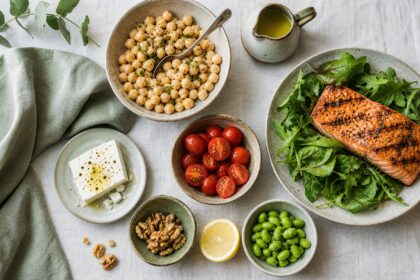
Diet pattern — a Mediterranean-style pattern built around vegetables, legumes, fish, olive oil, nuts and whole grains, with little added sugar, is associated with fewer vasomotor symptoms and protects the heart and bones you are now managing for the long term [3]. Whole soy foods at ordinary dietary amounts fit within it; a randomised trial of a plant-based diet including soy foods reduced moderate-to-severe flushes [4]. We start with what you eat now.
Sleep — night sweats, 3am waking and early waking each have different handles. Sleep is worked on early, because everything else is harder without it.
Heart and metabolic risk — cholesterol, blood pressure and blood sugar shift in the transition [2]. We read your GP’s results with you and work on the food, movement and weight side; screening and any medication decision stay with your GP. Our article on menopause and cholesterol explains why the numbers move.
Bone — bone density is checked through your GP; the food, protein, movement and strength work that protects it is ours.
Weight and blood sugar — midlife weight change is real and not a character flaw. Regular protein, fewer refined carbohydrates and strength training are the levers, worked at a realistic pace.
Mood, memory and stress — low mood and anxiety are common in the transition and deserve care; see your GP, and we work on sleep, blood sugar and the load alongside that.
Movement — strength training for bone and muscle, and regular activity for sleep, mood and heart; exercise has not been shown to reduce flushes themselves [5], so we do not pretend it will.
What stays with your GP — the diagnosis where it is unclear, hormone therapy and every decision about it, bleeding after menopause, bone density and cardiovascular screening, and any new symptom.